Choosing the best Shoes And Boots for global buyers in 2026 requires more than attractive photographs and familiar brand names. Buyers will compare comfort, durability, sizing accuracy, material performance, repair options, and delivered cost. A polished product page helps, but real-world testing matters more. Wet pavements, long airport walks, uneven streets, and changing climates expose weaknesses quickly.
Industry data shows why this category deserves careful research. The World Footwear Yearbook 2024 reported approximately 23.9 billion pairs produced worldwide in 2023, with Asia representing about 87.4% of production. That scale creates broad choice, but it also makes supply-chain transparency and quality verification essential. McKinsey and The Business of Fashion’s State of Fashion 2025 described a cautious market, with consumers becoming more value-conscious and less willing to accept poor performance. This signals a practical shift: buyers may pay more for proven comfort, but not for vague promises.
This guide evaluates leading Shoes And Boots through a global buyer’s lens. It considers construction, outsole grip, weather resistance, fit systems, material claims, and available after-sales support. Regional needs remain different. A waterproof boot for northern Europe may feel excessive in Southeast Asia. Lightweight mesh shoes may perform poorly during persistent rain. No forecast is flawless. Even expert reviews can miss a narrow heel, unstable sizing, or uncomfortable stitching after several hours. That limitation deserves attention. The strongest 2026 choices will balance evidence, user experience, and honest trade-offs rather than chasing seasonal hype.
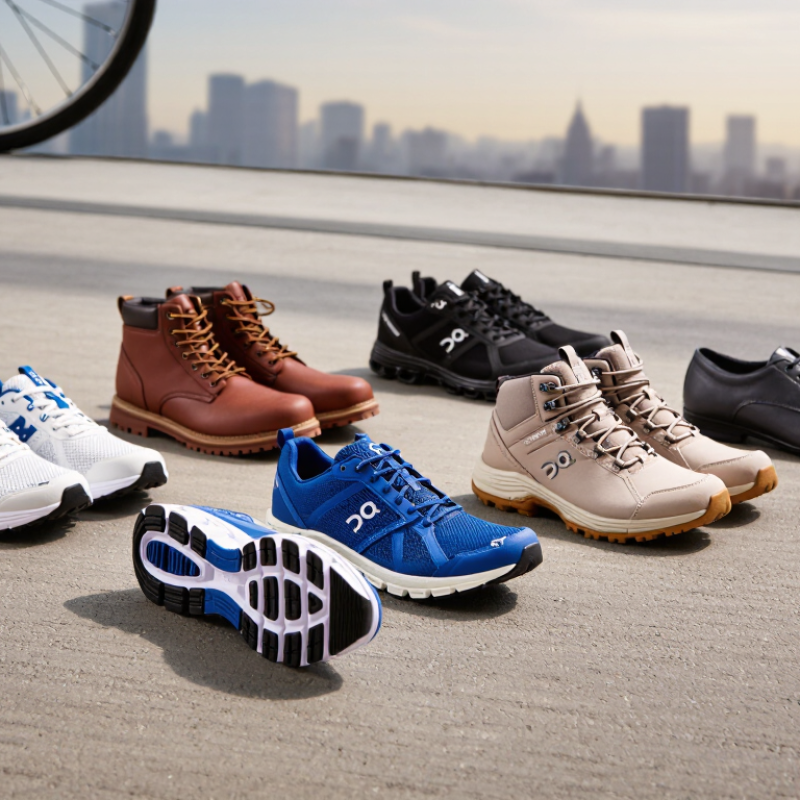
Define the 2026 Global Footwear Market: 23.9B Pairs (World Footwear)
2026 Best Shoes And Boots For Global Buyers?
The 2026 global footwear market is defined by scale:
23.9 billion pairs, according to the latest World Footwear outlook.
That figure changes how buyers assess shoes and boots. A product must fit real climate, income, and walking habits, not only seasonal fashion.
World Footwear also reports that Asia remains the dominant production and consumption region. This makes supplier evaluation highly practical. Buyers should review factory capacity, material consistency, lead times, and testing records. The global market includes athletic shoes, casual footwear, work boots, sandals, and protective styles. Pair volume shows reach, but it does not explain market value. The number is powerful, yet not perfectly clean. Forecasts can miss sudden freight changes, weather shifts, or weak household spending.
A 2024 report from Grand View Research estimated the global footwear market at hundreds of billions of U.S. dollars, with continued growth expected through the decade. Meanwhile, UN Comtrade data helps buyers compare trade flows by footwear category and destination. These sources support a useful buying habit: compare volume data with import demand, retail prices, and local regulations.
Tips:
Build a shortlist by climate and use. Check outsole grip on wet pavement. Test boot insulation below the target temperature. Request size curves before ordering. Confirm material declarations and product testing. Small details matter.
Global buyers should also measure return risk. A comfortable sample may fail after eight hours of wear. That is where my view becomes less certain: market data identifies opportunity, but field testing reveals whether a pair deserves repeat orders.
Compare Fit and Sizing with ISO 19407:2023 and Regional Size Systems
For global buyers, shoe and boot sizing should begin with foot length, not a familiar number. ISO 19407:2023 provides methods for converting between international footwear sizing systems. It helps compare regional labels, such as European, United Kingdom, United States, and Mondopoint measurements. A measured foot length in millimetres gives buyers a clearer reference than an isolated size label.
Measure both feet while standing, preferably late in the day. Feet can swell after walking. Record the longer foot and wear the socks intended for the shoes or boots. Leave practical toe space, especially in winter boots. However, ISO conversion does not guarantee comfort. Last shape, width, instep height, lining thickness, and toe protection can change the fit significantly. A size chart is only a starting point.
In real purchasing work, I compare the ISO-based conversion with the seller’s internal chart and product measurements. Then I check width information and customer fitting notes. Boots may need extra volume, while slim shoes can feel restrictive at the same nominal size. Children’s sizing requires additional care because growth space must not create heel movement. Conversion tables can also expose awkward differences between regional systems. I still find occasional exceptions, so a careful buyer should verify return conditions and inspect actual measurements before ordering. Fit remains partly measurable, partly experiential.
Evaluate Safety and Performance Using EN ISO 20345:2021 Standards
2026 Best Shoes And Boots For Global Buyers?
When comparing safety footwear, look beyond appearance and price. EN ISO 20345:2021 provides a practical framework for evaluating protection and performance. Certified footwear must pass tests for toe-cap impact and compression. The standard also addresses slip resistance, energy absorption, and durability. A 200-joule impact rating can protect toes from serious falling-object risks. However, protection depends on correct sizing and secure fastening. A loose boot can reduce stability during a long shift.
The 2021 edition adds clearer performance classifications for different working environments. P, PL, and PS describe different puncture-resistance approaches. WPA concerns water penetration and absorption. Additional markings may indicate ladder grip, scuff resistance, or insulation. Buyers should match each marking with real conditions, such as wet floors, sharp debris, cold storage, or climbing access equipment. A certificate is useful evidence, but it does not replace a careful product inspection. In practice, stitching, tread wear, and insole comfort can still affect daily performance. I have learned that technical labels rarely tell the whole story.
Tips: Request the declaration of conformity and independent test documentation. Check the exact classification, not only “safety footwear.” Measure feet late in the day, when swelling is more likely. Try the boots with work socks. Walk, bend, and climb a step before ordering large quantities. Some test results may not reflect your workplace perfectly. Recheck them against actual hazards and local purchasing requirements.
2026 Best Safety Shoes and Boots for Global Buyers
Mandatory protection features by safety class under EN ISO 20345:2021
The chart summarizes mandatory feature combinations defined by EN ISO 20345:2021. All classes shown require a 200 J toe-impact resistance and 15 kN toe-compression resistance. “WRU” means water penetration and absorption resistance of the upper, while “WR” means whole-footwear water resistance. Buyers should confirm the applicable national adoption, product certification, fit, and intended work environment before purchasing.
Select Suppliers by Cost, Sustainability, and 2024 Trade Data (WTO)
2026 Best Shoes and Boots for Global Buyers?
Cost alone rarely identifies the best footwear supplier. A low factory quote can hide freight, duty, defects, and delayed replenishment. Use the WTO Statistics Database, 2024 HS 64 trade records, to compare supplier countries by export value, shipment stability, and product category. The World Footwear Yearbook 2024 reports that Asia produced about 87% of global footwear in 2023. This concentration can improve scale and pricing, but it also increases supply-chain exposure. Compare at least three origins before approving boots or shoes.
Sustainability needs evidence, not attractive language. Request material percentages, energy records, wastewater controls, and third-party audit dates. Textile Exchange’s Materials Market Report 2024 shows why material selection matters: virgin fossil-based synthetics remain widely used, while preferred recycled and lower-impact materials are growing. Certification helps, but it is not perfect. Factory data may be incomplete. Ask for batch-level traceability and test a small production order. A practical cost model should include inspection, returns, carbon reporting, packaging, and ocean freight.
Tips: Build a supplier scorecard with 40% landed cost, 30% quality, 20% sustainability, and 10% trade reliability. Check WTO data against customs records. Request recent export references. Keep one qualified backup supplier. The cheapest option is often expensive later.
Conclusion
The 2026 global footwear market is projected to reach approximately 23.9 billion pairs, creating broad opportunities for buyers seeking reliable Shoes And Boots. This guide explains how to classify footwear by intended use, construction method, and material selection, helping purchasers compare casual, work, outdoor, protective, and performance-focused products. It also highlights how material durability, comfort, repairability, and environmental considerations can influence long-term value.
For international sourcing, accurate sizing is essential. Buyers should compare product measurements with ISO 19407:2023 and account for regional sizing systems before placing orders. Safety and performance claims should be evaluated against applicable requirements in EN ISO 20345:2021, especially for protective footwear. Finally, supplier selection should balance total cost, production consistency, sustainability practices, documentation, and relevant 2024 trade data. A structured evaluation process can help global buyers reduce purchasing risks and select footwear that meets practical, regulatory, and market expectations.
 Q.L. CODEX
