What is the Best Way of Customizing Boots for Your Needs?

Time:2026-08-17 Author:Charlotte
0%

In today’s fast-paced world, customizing boots is no longer just a trend; it's a necessity. According to a report by the Footwear Distributors and Retailers of America, the demand for personalized footwear has surged by 25% over the past three years. Consumers now prioritize comfort and style tailored to their specific needs. Customizing boots allows individuals to express their uniqueness while addressing practical requirements.

The customization process can seem daunting, especially for newcomers. With so many options, it’s easy to feel overwhelmed. A recent study by Market Research Future emphasizes that 65% of consumers are unsure about the best customization features for their lifestyle. This indicates a fundamental challenge in the industry: how to effectively guide customers in their choices.

Every pair of customized boots should reflect the wearer’s personality. Details like material, color, and even design play a crucial role. However, it’s important to engage in self-reflection during the selection process. What do you truly need? Comfort, durability, or style? Achieving the perfect balance is essential, but it often requires adjustments and a willingness to reconsider initial decisions.
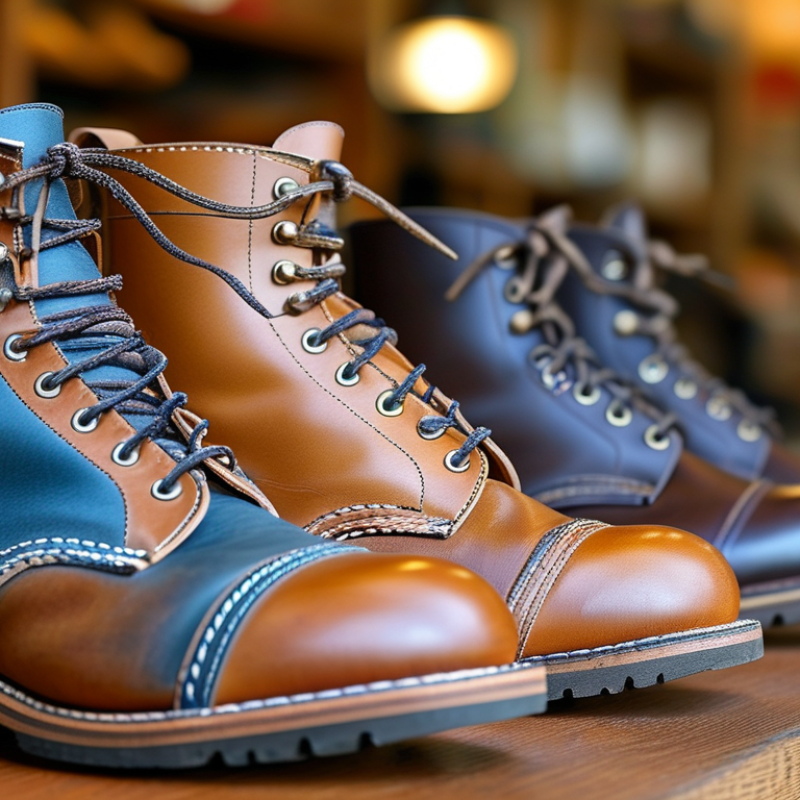
What is the Best Way of Customizing Boots for Your Needs?

Understanding Your Boot Requirements

Understanding your boot requirements is essential for achieving optimal comfort and performance. According to industry reports, around 75% of people experience foot pain due to improper footwear choices. This underlines the importance of customizing boots to fit your specific needs. Factors like arch support, toe box space, and material flexibility can drastically affect your boot experience.

It's crucial to assess your activities to select the right boot type. For hiking, a stiff sole provides stability on uneven terrain. If you're working in a factory, choose boots with slip-resistant soles to enhance safety. Research indicates that 60% of users prefer boots with additional cushioning to mitigate stress during prolonged wear. Pay attention to your environment and activities. Will you encounter wet conditions or hot surfaces? Consider boots designed specifically for those conditions.

Customization often requires reflection on what works and what doesn’t. Many users find they have to try several options before they discover the perfect fit. Your foot shape changes, too. A more relaxed feel may be needed after a long day on your feet. Investing time in understanding your unique needs can lead to improved comfort and increased performance in daily tasks.

What is the Best Way of Customizing Boots for Your Needs? - Understanding Your Boot Requirements

Customization Feature Description Best For
Sole Type Choose between rubber, leather, or synthetic soles depending on traction needs. Outdoor activities, formal wear, hiking.
Material Select leather, suede, or synthetic materials based on durability and comfort. Everyday use, waterproofing, fashion.
Height Opt for ankle, mid-calf, or knee-high variations for support and style. Fashion statements, support, warmth.
Fit Customization Adjust width, heel height, and arch support to suit foot shape. Comfort-focused wearers, special foot conditions.
Lining Options Insulation, cushioning, or moisture-wicking linings to improve comfort. Cold weather, all-day wear, active use.

Types of Customization Available for Boots

When it comes to customizing boots, several options cater to various needs and preferences. A report by the Footwear Distributors and Retailers of America (FDRA) reveals that around 70% of consumers seek personalized footwear features. This statistic indicates a growing trend in customization within the boot industry.

One popular customization type involves fit adjustments. Custom insoles can provide arch support specific to your foot shape. Many consumers notice improvements in comfort and reduce foot fatigue when they use tailored insoles. Another option is to modify the boot's upper material. Switching from leather to breathable fabric can enhance airflow, especially in warm conditions.

Color and design customization are also invaluable. Studies show that 40% of consumers would pay extra for unique designs. However, there is a downside. Excessive customization can lead to reduced resale value. Additionally, finding the right combination of style and functionality can be tricky. Balancing personal taste with practical needs requires careful thought and sometimes, a willingness to compromise.

Selecting the Right Materials for Boot Customization

Selecting the right materials for boot customization is crucial for overall comfort and durability. Different materials offer unique benefits. Leather, for example, provides a classic look and excellent longevity. It molds to your feet over time, ensuring a snug fit. However, it can be less breathable compared to synthetic options. Synthetic materials like nylon or Gore-Tex offer great water resistance and are lightweight, perfect for active use.

Consider the climate and expected conditions when choosing your materials. If you're in a wet area, prioritize waterproof options. Breathable fabrics are essential for hot environments to prevent overheating. While customizing, think about the inner lining as well. This often-overlooked element can greatly influence comfort. A soft, moisture-wicking lining reduces friction and prevents blisters during long wear.

Be aware that not every material suits every purpose. Mixing materials can sometimes lead to unexpected issues. For example, combining water-resistant leather with a breathable lining may compromise both features. Reflect on your specific needs and daily activities. It’s essential to strike a balance between functionality and style, ensuring your customized boots truly meet your demands.

Step-by-Step Guide to Customizing Your Boots

Customizing your boots can be a transformative process. It allows you to express your style while ensuring comfort. Here’s a step-by-step guide that can help you personalize your footwear effectively.

Start by assessing the fit of your boots. Are they too tight or too loose? If they’re a bit snug, consider using boot stretchers. This tool gently expands the material. For looser boots, insoles can provide better support and enhance comfort. Remember, comfort is key.

Next, think about color and texture. Leather dyes can change the color of your boots easily. You might want to try different shades until you find one that resonates with you. If you prefer a rugged look, adding distressing can give them character. Be mindful; this process requires finesse and patience. Use sandpaper cautiously to avoid overdoing it.

Tips: Start with small modifications. You can always make more changes later. Don’t hesitate to ask for advice from experienced customizers. Their insights could save you time and effort. Reflect on what features matter most to you. Edit your designs according to your lifestyle and preferences. Remember, customization takes time, so cherish the journey.

Customization Preferences for Boots

Maintenance Tips for Customized Boots

Customizing boots allows for a personal touch, but maintenance is crucial. Regular cleaning can extend their life. Use a soft brush to remove dirt after each use. For leather boots, apply a suitable conditioner to keep the material supple. This prevents cracking, an issue many overlook.

Inspect the soles frequently. If the tread wears down, it can affect traction. Consider re-soling before it’s too late. Take the time to polish them occasionally. This not only enhances their appearance but also adds a layer of protection. Proper storage is another aspect often neglected. Store your boots in a cool, dry place to prevent moisture damage.

Remember, customizing boots isn’t just about aesthetics; it's about function too. A poorly maintained boot can lead to discomfort. Signs of wear may signal the need for professional help. A proactive approach today can save costly replacements tomorrow. Treat your customized footwear with care to ensure they serve you well.

FAQS

: What are common types of customization for boots?

: Common options include fit adjustments, material changes, and color designs. These cater to various consumer preferences.

How can custom insoles improve comfort?

Custom insoles provide specific arch support. Many users experience less foot fatigue and improved comfort.

What materials should I consider for customization?

Leather offers durability and molds to your feet. Synthetic options like nylon are lightweight and water-resistant.

How does climate affect material choice?

In wet areas, prioritize waterproof options. For hot climates, breathable fabrics are essential to avoid overheating.

Why is maintenance important for customized boots?

Regular maintenance extends the life of boots. Neglecting care can lead to discomfort and costly replacements.

What are the key maintenance tasks for boots?

Clean regularly, condition leather, inspect soles and polish often. Proper storage is critical to prevent moisture damage.

Can excessive customization affect resale value?

Yes, excessive customization may lower resale value. Striking a balance between style and functionality is crucial.

What should I do if my boots show signs of wear?

Inspect for wear signs and consider professional repairs. Proactive care avoids more significant issues later.

How does the inner lining impact comfort?

A soft, moisture-wicking liner reduces friction and prevents blisters. This often-overlooked element greatly affects comfort.

Is it advisable to mix different materials?

Mixing materials can lead to unexpected issues. Reflect on your needs to ensure effective customization.

Conclusion

Customizing boots to meet your specific needs involves a thorough understanding of your requirements and preferences. Begin by evaluating what type of boot features align with your lifestyle, whether it's for fashion, endurance, or specialized activities. Various customization options are available, including adjustments to fit, cushioning, and aesthetic elements like color and design. Selecting the right materials plays a crucial role in both comfort and durability, ensuring that your boots not only look great but also perform well under different conditions.

Once you have a clear idea of your customization options and materials, follow a step-by-step guide to bring your vision to life. This may involve altering the structure, adding components, or even personalizing the style. To prolong the life of your customized boots, implementing regular maintenance routines is essential. This includes cleaning, conditioning, and storage practices that safeguard your investment and keep your boots looking their best. Overall, customizing boots can significantly enhance your wearing experience, providing both functionality and personal expression.


Charlotte

Charlotte

Charlotte is a seasoned marketing professional with a deep understanding of the company's portfolio and a passion for elevating its presence in the market. With a keen eye for detail and a commitment to excellence, she ensures that our professional blog is regularly updated with insightful articles......