Choosing High Heels For Women Boots is not only a style decision. It is also a practical test of fit, balance, materials, and daily comfort. A sharp silhouette may look attractive in a product photo. However, narrow toes, unstable heels, and rigid uppers can become painful after a short walk.
The global footwear market was valued at approximately $467.47 billion in 2023, according to Grand View Research. The report expects continued growth through 2030, supported by fashion demand, online shopping, and premium product development. Allied Market Research also identifies women’s footwear as a major category, but market growth does not guarantee better comfort. That part still depends on construction and personal fit.
Fit comes first.
Podiatric surgeon Dr. Jacqueline Sutera is widely cited for explaining, “The higher the heel, the more pressure there is on the ball of the foot.” Her point matters when comparing ankle boots, knee-high styles, and platform designs. A thicker heel may offer better stability than a slim stiletto. Cushioned insoles can help, but they cannot correct a boot that bends the toes or slips at the heel.
This guide will examine heel height, toe shape, shaft support, outsole grip, leather flexibility, and sizing accuracy. It will also consider how long you stand, where you walk, and whether socks change the fit. Those details are easy to overlook. They should not be.
No boot suits every woman. Personal comfort is sometimes less glamorous than trend forecasts. That is worth admitting. The best High Heels For Women Boots should complement an outfit while allowing controlled, confident movement. Statistics provide useful direction, but your feet provide the final evidence.
How to Choose High Heel Boots for Women?
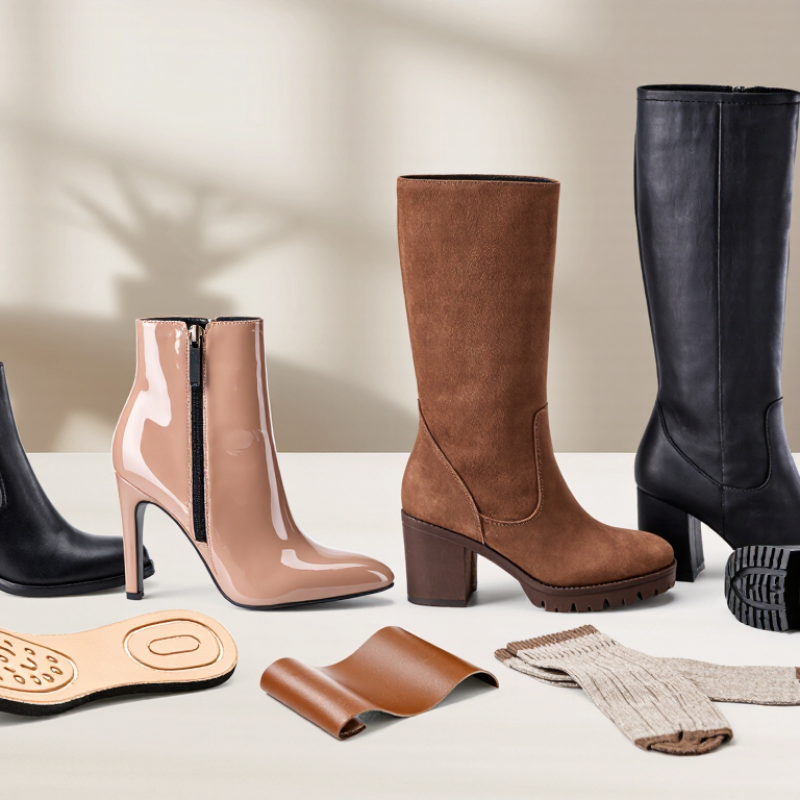
High heel boots should match their intended use, not only an outfit. For office commuting, choose a stable block heel between 3 and 5 centimeters. A rounded or almond toe leaves more room for natural movement. For evenings, a slimmer heel can look elegant, but it demands better balance and shorter walking distances. A rubber outsole can also improve grip on polished floors.
Different styles serve different needs. Ankle boots suit trousers, daily errands, and mild weather. Knee-high boots provide more warmth and visual structure with skirts or dresses. Over-the-knee designs create strong coverage, but they may restrict movement if the shaft is tight. Measure both calves near the end of the day. Feet often swell slightly after hours of standing. Small details matter.
Foot health data deserves attention. The American Podiatric Medical Association reported that 71% of women experience pain from high heels, based on its consumer survey. That figure is older, but the warning remains useful. Try boots on both feet, walk for several minutes, and check whether your toes touch the front. There should be firm heel support without pressure around the ankle. Cushioning helps, but it cannot correct a poor fit. I would not treat a taller heel as automatically more sophisticated. Sometimes, it simply makes a short walk harder. Even careful advice has limits because foot shape, balance, and daily use differ.
How to Choose High Heel Boots for Women?
Heel height should match your walking habits, not only your outfit. A lower heel, around 3–5 centimetres, usually creates less forward pressure. Higher heels shift body weight toward the toes and can shorten your stride. The American Podiatric Medical Association reported that 71% of surveyed women experienced foot pain linked to footwear. That figure deserves attention. I once trusted “comfortable immediately” as a fitting rule, but soft lining cannot fix poor balance.
Heel shape matters. A wide block heel offers more contact with the ground than a narrow stiletto. A stable heel counter should hold your rear foot without rubbing your Achilles tendon. Check the shank, too. It should resist bending in the middle. A pointed toe may look elegant, yet a rounded or almond-shaped toe gives the toes more room. Research published in the Journal of Foot and Ankle Research links higher heels with increased forefoot pressure and altered walking mechanics.
Tips: Try both boots near the end of the day, when feet are slightly swollen. Walk on a hard floor for five minutes. Test stairs and gentle turns. Your heel should not lift repeatedly. Leave about one centimetre in front of the longest toe. Consider a platform carefully; it lowers the foot angle, but it does not guarantee stability. Small details matter. Recheck the fit with your usual socks.
| Heel Height | Typical Use | Comfort Potential | Stability | Recommended Heel Shape | Key Fit Considerations | Main Advantages | Possible Limitations |
|---|---|---|---|---|---|---|---|
| 2–3 cm (0.8–1.2 in) |
Daily wear Commuting Long walks | Very high Usually the easiest height for extended wear. |
Very high Low ground elevation supports balance. |
Flat, low block, or low stacked heel | Check that the heel does not slip and that the toe box allows the toes to lie naturally. | Practical, versatile, and suitable for many walking situations. | Provides less visual height and may look less formal than a taller heel. |
| 4–5 cm (1.6–2.0 in) |
Office Shopping Everyday outfits | High A balanced option for moderate daily activity. |
High Broad heels generally provide dependable support. |
Block, stacked, or moderate Cuban heel | Ensure the instep is comfortably held without pressure and the ball of the foot is not squeezed. | Combines a modest lift with good walkability and outfit flexibility. | May still cause forefoot pressure if the front of the boot is too narrow. |
| 6–7 cm (2.4–2.8 in) |
Dinner Events Smart casual | Medium to high Comfort depends strongly on fit, cushioning, and time spent standing. |
Medium to high More stable with a wide heel and firm sole. |
Block or flared heel | Look for secure ankle support, adequate toe room, and a smooth transition under the arch. | Creates a noticeable leg-lengthening effect while remaining more manageable than a slim high heel. | Extended walking or standing can increase pressure on the forefoot and calves. |
| 8–9 cm (3.1–3.5 in) |
Formal events Evening wear Occasional use | Medium to low Better suited to shorter periods of standing or walking. |
Medium Stability improves with a wider base, platform, or ankle support. |
Moderate block, flared, or stable stiletto | Prioritize a secure heel counter, snug ankle fit, and a toe shape that does not compress the toes. | Offers a more dramatic silhouette and polished formal appearance. | Can increase pressure beneath the forefoot and require more balance and practice. |
| 10 cm or more (3.9 in or more) |
Special occasions Short wear periods Statement styling | Low Usually less suitable for prolonged walking or standing. |
Low to medium Requires a stable construction, secure fit, and confident walking ability. |
Wide platform heel or reinforced stiletto | Confirm that the foot does not slide forward and that the ankle remains stable during each step. | Creates maximum height and a pronounced fashion-forward profile. | Greater forefoot loading, reduced walking comfort, and higher balance demands are common. |
| Any height with a platform | Occasional wear Dressy outfits Extra height | Medium The platform can reduce the effective angle between the heel and forefoot. |
Medium Depends on platform width, outsole grip, and overall construction. |
Block or platform heel | Check the platform for flexibility, traction, and a secure connection to the upper. | Can provide added height with a less steep foot position than an equivalent heel without a platform. | May feel heavier, less flexible, or less natural on uneven surfaces. |
| Any height with a wedge | Outdoor social wear Casual outfits Uneven surfaces | Medium to high Often feels more supported because the sole carries the heel across a larger area. |
High A broad contact area can improve stability compared with a narrow heel. |
Full wedge or low-profile wedge | Assess outsole grip and make sure the wedge does not restrict natural foot movement. | Good lateral support and a distinctive silhouette. | Can be heavier and may feel less flexible when walking or climbing stairs. |
| Any height with an ankle boot | Transitional weather Workwear Versatile styling | Medium to high Support depends on the shaft, fastening, and cushioning. |
Medium to high A well-fitted shaft can help limit unwanted ankle movement. |
Block, stacked, or low flared heel | The shaft should hold the ankle without rubbing, while the instep should remain comfortably secure. | Easy to style with trousers, skirts, and dresses across several seasons. | A rigid shaft or poorly placed seam can cause ankle irritation. |
| Any height with a knee-high shaft | Cold-weather outfits Dresses and skirts Layered styling | Medium Warmth and support may improve, but shaft fit is critical. |
Medium to high More coverage can support the lower leg when the shaft fits correctly. |
Block, stacked, riding-inspired, or moderate heel | Measure calf circumference with the intended clothing layer and check that the boot does not restrict the knee. | Provides warmth, coverage, and a visually continuous line along the leg. | An overly tight shaft can restrict movement; an overly loose shaft may crease or slide. |
How to Choose High Heel Boots for Women?
Material affects comfort long before style becomes important. Smooth leather usually softens with wear and allows moderate airflow. Suede feels flexible, but it needs protection from rain and rough surfaces. Quality synthetic materials can work well when the lining feels breathable. Avoid boots with stiff edges or strong chemical odors. I once chose a beautiful pair with a hard inner seam. The seam caused rubbing after only twenty minutes.
Fit should feel secure, not restrictive. Check the boots in the afternoon, when feet may swell slightly. Your toes should move without touching the front. The heel must stay steady when you walk. A narrow toe box can create pressure, even when the length seems correct. Look for a padded collar, a firm heel counter, and cushioning beneath the ball of the foot. Moderate heels are often easier to control on uneven pavement. Still, personal comfort varies.
Tips: Wear the socks you normally use. Walk on a clean floor for several minutes. Bend your ankles and climb a few steps. Notice pressure, sliding, and numbness. Do not rely on “breaking them in” too much. A little stiffness may improve, but painful friction usually will not. Check the sole for grip, especially if you commute outdoors. Supportive boots are not always the most attractive at first glance, and that is worth reconsidering.
How to Choose High Heel Boots for Women?
Matching boot design with your wardrobe and lifestyle matters more than chasing a dramatic silhouette. In fittings, I examine the heel height, toe shape, shaft width, and walking surface first. Slim, pointed boots suit tailored trousers, pencil skirts, and evening dresses. Block heels work better with denim, knit dresses, and long coats. They feel steadier on wet pavements and crowded commutes. A 2014 American Podiatric Medical Association Foot Health Survey found that 71% of women experienced high-heel pain. That figure deserves attention. Style should not erase comfort.
Your daily routine should guide the construction. Choose a lower, wider heel for office travel or extended standing. Reserve narrow stilettos for short events with reliable seating. If your wardrobe uses soft fabrics, suede-like textures can create a quieter appearance. Smooth leather or polished finishes add structure to dark tailoring. Check the toe box carefully. Your toes need room to move. They should not press against the front.
Tips: Walk on a hard floor before buying. Test stairs, turns, and ten quiet steps. Match boot color with your most-worn trousers. Black is practical, but not always interesting. I sometimes prefer a modest heel with a strong coat; it looks less perfect, yet feels more honest. Measure both feet at the end of the day, and remember that one foot may be larger. If the boot pinches immediately, do not expect miracles from breaking it in.
Match boot design with your wardrobe and lifestyle by comparing style versatility and practical wearability.
Scores use a 1–10 styling framework based on heel stability, wardrobe versatility, walking practicality, and suitability for different occasions. Block heels generally provide more stability, while slimmer and higher heels create a more formal look but are less practical for extended walking.
How to Choose High Heel Boots for Women?
Quality should be visible before you wear the boots outside. Inspect the stitching, sole attachment, zipper, and heel connection closely. Even seams usually signal better construction. Press the sole gently; it should flex slightly without feeling weak. Genuine leather may soften with use, while synthetic materials can still perform well when carefully finished. Do not judge quality by appearance alone.
Comfort depends on fit and balance. Try both boots in the afternoon, when feet are naturally larger. Your toes should move freely, and your heel should not lift with every step. Walk across a hard floor for several minutes. Notice pressure under the ball of your foot. A cushioned insole helps, but it cannot fix an unsuitable shape. I once chose a beautiful pair that felt fine for five minutes and painful by dinner. That mistake still seems avoidable.
Safety requires a stable heel, secure ankle support, and a sole with reliable traction. Avoid walking quickly on wet, polished surfaces. Check the heel tip regularly for wear, especially if you use the boots often. Rotate them instead of wearing them daily, and let moisture dry naturally away from direct heat. Use a soft brush for dust and suitable conditioner for the material. Store them upright with gentle support. Small creases are normal. Hiding every mark is not always necessary.
A heel around 3–5 centimetres usually creates less forward pressure. Higher heels shift weight toward the toes and may shorten your stride. Comfort still depends on balance and walking habits.
A wide block heel offers more ground contact than a narrow heel. Check that the heel connection feels firm. A platform may reduce foot angle, but it does not guarantee stability.
Leave about one centimetre before the longest toe. Your toes should move freely without touching the front. A rounded or almond-shaped toe often provides more room.
Try both boots in the afternoon, when feet may swell slightly. Wear your usual socks. Walk on a hard floor for five minutes, then test stairs and gentle turns.
Your heel should not lift repeatedly while walking. Notice sliding, numbness, and pressure near the toes. A firm heel counter should hold the rear foot without rubbing the Achilles tendon.
Smooth leather may soften with use and allow moderate airflow. Suede feels flexible but needs protection from rain. Well-finished synthetic materials can also work when the lining feels breathable.
Slight stiffness may improve with wear, but painful friction usually will not. Check for hard inner seams and stiff edges before buying. I once ignored one seam. That was careless.
Let damp boots dry naturally, away from direct heat. Use a soft brush for dust and suitable conditioner for the material. Store them upright with gentle support, and replace worn heel tips. Small creases are normal.
Choosing High Heels For Women Boots starts with understanding the different styles and their purposes. Ankle boots, knee-high boots, and over-the-knee designs can create different visual effects and suit various occasions. Consider the heel height, shape, and level of stability before making a decision. A block or platform heel may offer more balance, while a slimmer heel creates a more elegant appearance but may require greater confidence and control.
Material, fit, and foot support are equally important. Select boots that provide enough room for your toes, secure your ankles, and feel comfortable when walking. Match the design and color with your wardrobe and daily lifestyle, whether you need a practical pair for commuting or a refined style for special occasions. Finally, inspect the stitching, sole, zippers, and inner lining for quality. Wearing them gradually, cleaning them properly, and storing them carefully can help preserve comfort, safety, and appearance over time.

Q.L. CODEX