Heeled boots combine protection, posture, and visual drama. Their shapes can change how an outfit moves and how the foot meets the ground. The term Boots Heels covers several distinct designs, including ankle boots, Chelsea boots, knee-high boots, cowboy boots, platform boots, and over-the-knee styles. Each type creates a different balance between height, stability, warmth, and daily practicality.
Market data shows why this category deserves closer attention. Allied Market Research valued the global footwear market at $365.5 billion in 2021. Its report projects growth to $530.3 billion by 2031. Grand View Research also identifies continuing demand for fashion footwear, although its market boundaries differ. These figures should not be treated as identical. They measure different products and regions. Still, both suggest strong commercial interest in elevated footwear.
Footwear designer Stuart Weitzman once said, “A shoe has so much more to offer than just to walk.” His observation fits heeled boots precisely. A slim stiletto boot can lengthen the silhouette, while a block heel offers a steadier base. A wedge spreads pressure differently. A platform may add height, but it can also reduce flexibility. Small details matter: a cushioned insole, firm heel counter, rounded toe, and grippy outsole can change the wearing experience. Yet style still influences decisions more than comfort for many shoppers. That is worth questioning. This guide examines each major boot type, its construction, best uses, and possible trade-offs, helping readers choose with clearer expectations rather than relying on appearance alone.
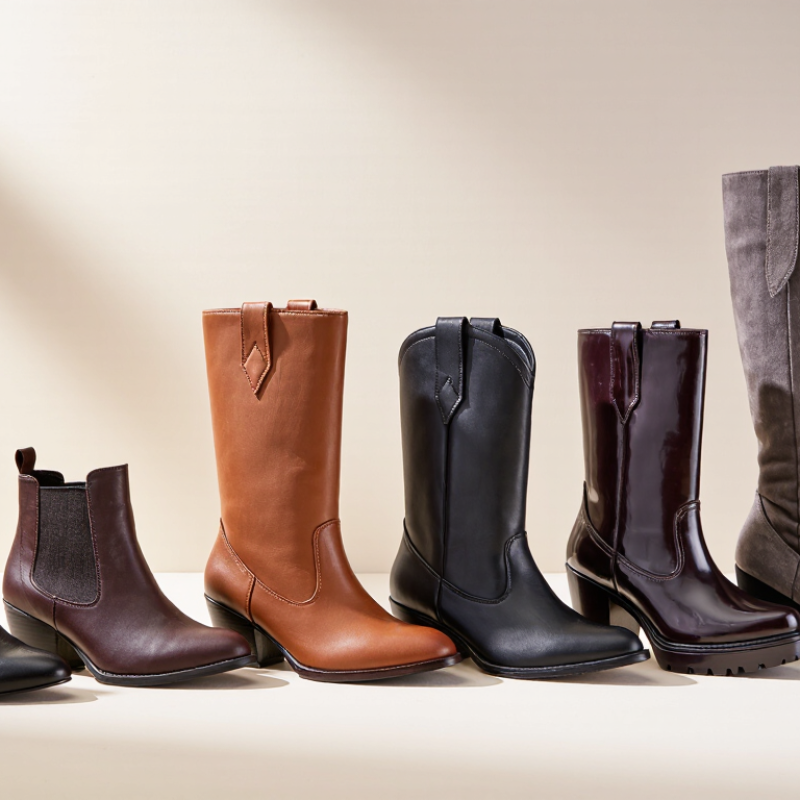
Heeled boots combine a boot upper with a heel that lifts the rear of the foot above the forefoot. Their defining parts include the shaft, heel, outsole, and the structure around the ankle. The shaft may end at the ankle, calf, or knee; the heel may be slim, block-shaped, or gently raised. Small details matter. A firm heel counter can steady the back of the foot, while a narrow toe box may press against the toes. These features affect fit as much as appearance.
Heel height alone does not describe comfort. The heel’s shape, the boot’s pitch, and how securely it fits all matter. The American Podiatric Medical Association’s 2014 public-opinion survey on foot health and high heels reported that 71% of women who wore high heels experienced foot pain. That finding concerns high heels generally, not heeled boots specifically, so it should not be treated as a boot-wear statistic. Still, it is a useful reminder to check how a pair feels while standing and walking. A boot that feels stable on a shop floor may feel different after several hours. That judgment is personal, and the usual “break-in” advice is not always helpful if pressure or rubbing continues.
What Are the Different Types of Heeled Boots?
Main Types Classified by Heel Shape and Height
Heeled boots vary most clearly by heel shape and height. Block heels have a broad, stable base, making them practical for long walks or uneven pavements. Their height usually ranges from two to four inches. Kitten heels are shorter, often under two inches, and create a softer lift without demanding much balance.
Stiletto-heeled boots use a slim, sharply tapered heel. They look elegant but place more pressure on the front of the foot. Cone heels widen near the sole and narrow toward the ground, giving a sculptural appearance. Cuban heels are moderately high, slightly angled, and often feel steadier than narrow heels. I once underestimated a three-inch heel on wet pavement. It was not a clever choice.
Platform boots add thickness beneath the front of the foot, reducing the difference between the toe and heel. Wedge heels run continuously from the heel to the sole, offering strong support and a distinctive profile. Low heels suit commuting and daily errands, while medium heels balance polish and comfort. High heels can lengthen the leg visually, but fit matters more than height. Check whether your heel slips, your toes feel compressed, or the boot bends naturally while walking. These small details can reveal more than the label on the box.
What Are the Different Types of Heeled Boots?
Styles Grouped by Shaft Length and Boot Structure
Heeled boots are easier to compare when grouped by shaft length and structure. Ankle boots stop near the ankle bone, creating a clean line with trousers or midi skirts. They often use block heels for steadier walking. Chelsea-style ankle boots usually have elastic side panels, while pointed designs make the foot look longer.
Mid-calf boots reach between the ankle and knee. They add warmth but can visually shorten the leg, especially with a contrasting shaft. Knee-high boots cover most of the lower leg and suit fitted skirts, dresses, or slim trousers. Over-the-knee boots extend higher and need careful fitting around the thigh. The shaft should sit smoothly, not pinch when you bend.
Structure matters as much as height. A sock boot uses stretch fabric and follows the leg closely. A riding-inspired boot has a firmer shaft and usually a wider opening. Platform boots place extra material beneath the forefoot, reducing the effective heel angle. That detail can change comfort significantly. Still, no chart fits every foot.
Tips: Measure both feet late in the day, when swelling is more likely. Check heel grip, toe space, and shaft tension while walking. The American Podiatric Medical Association advises limiting prolonged high-heel wear, while Grand View Research valued the global footwear market at about $458 billion in 2023. That broad market data does not predict boot comfort, but it shows why fit remains a serious design concern. My own fitting preference is practical: a stable heel often beats a dramatic silhouette.
Styles Grouped by Shaft Length and Boot Structure
| Boot Style | Shaft Length | Boot Structure | Typical Heel Profile | Common Toe Shapes | Coverage and Fit | Distinctive Characteristics | Typical Styling Uses |
|---|---|---|---|---|---|---|---|
| Ankle Boots | Ankle height Ends around or slightly above the ankle. |
Low shaft with a closed boot upper; may include a side zip, front zip, elastic panel, or lace fastening. | Block, stacked, stiletto, kitten, or wedge heels. | Round, almond, square, or pointed. | Usually easy to put on and suitable for most leg shapes. The opening can be close-fitting or relaxed. | The most versatile heeled boot category; it pairs well with trousers, skirts, and dresses. | Everyday outfits, office clothing, transitional weather, and smart-casual looks. |
| Chelsea Heeled Boots | Ankle height Usually rises just above the ankle bone. |
Slip-on ankle structure with elastic side panels and a pull tab rather than a full-length fastening. | Low block, stacked, or moderate block heels. | Rounded, almond, or softly squared. | Elastic panels allow flexible entry and moderate movement around the ankle. | Recognized by its clean side profile, elastic gussets, and minimal decorative detailing. | Daily wear, tailored trousers, denim, knitwear, and practical city outfits. |
| Lace-Up Heeled Boots | Ankle to mid-calf Length varies according to the design. |
Front-laced boot construction, sometimes supported by an inside zip for easier access. | Chunky block, stacked, combat-inspired, or slim heels. | Round, almond, or slightly square. | Laces provide adjustable snugness across the instep and lower leg. | Offers a secure, adjustable fit and often has a more structured or utilitarian appearance. | Casual outfits, outdoor-inspired clothing, denim, and layered seasonal looks. |
| Mid-Calf Boots | Mid-calf height Extends several inches above the ankle but below the knee. |
Extended shaft construction with a fitted, straight, or slightly relaxed leg opening. | Block, stacked, wedge, or moderate cone heels. | Round, almond, square, or pointed. | Provides more lower-leg coverage; shaft circumference is important for comfort and layering. | Creates a noticeable vertical line while offering more protection than ankle boots. | Midi skirts, dresses, straight-leg trousers, cold-weather outfits, and casual styling. |
| Knee-High Boots | Knee height Reaches near the knee or just below it. |
Tall shaft construction with a full-length side or back zip, pull-on entry, or stretch panels. | Block, riding-inspired stacked, kitten, wedge, or stiletto heels. | Almond, round, pointed, or square. | Covers most of the lower leg. Fitted shafts may need accurate calf measurements. | Combines substantial leg coverage with a polished silhouette and strong seasonal versatility. | Skirts, dresses, leggings, slim trousers, workwear, and cool-weather outfits. |
| Over-the-Knee Boots | Above-knee height Extends over the knee and may reach the lower or mid-thigh. |
Extra-tall shaft made with structured material, stretch panels, or a combination of both. | Flat-to-low, block, wedge, or stiletto heels. | Almond, pointed, or rounded. | Requires careful measurement around the calf, knee, and upper thigh. Stretch shafts can provide a closer fit. | Creates extensive leg coverage and a bold, elongated appearance. | Layered dresses, short skirts, oversized knitwear, and fashion-focused evening or casual looks. |
| Western-Style Heeled Boots | Ankle to mid-calf Some versions extend higher on the leg. |
Pull-on shaft with a defined instep, angled heel, and often decorative stitching or paneling. | Slanted cowboy heel, stacked heel, or moderate block heel. | Pointed, snip, almond, or rounded. | Usually has a relatively firm shaft and a roomy instep designed for pull-on entry. | Commonly features a pointed toe, angled heel, pull tabs, and Western-inspired shaft detailing. | Denim, casual dresses, festival clothing, and contemporary Western-inspired outfits. |
| Harness and Engineer Boots | Ankle to mid-calf Usually has a visibly structured shaft. |
Sturdy, rounded boot construction with straps, buckles, a harness, or reinforced panels. | Low-to-medium block or stacked heel. | Mostly round or broad almond. | Typically offers a roomy fit with firm leather or other structured materials. | Defined by functional-looking straps, durable construction, and a substantial sole or heel. | Casual clothing, denim, utility-inspired outfits, and rugged seasonal styling. |
| Platform Heeled Boots | Ankle to thigh height Platform construction can appear at several shaft lengths. |
Raised forepart platform combined with a higher heel, either as a continuous sole or a separate platform. | Platform block, platform stiletto, or platform wedge. | Round, square, almond, or pointed. | The platform increases sole thickness under the forefoot; fit still depends on shaft shape and fastening. | Provides extra overall height and a visually substantial sole profile. | Evening outfits, stage-inspired looks, statement styling, and fashion-led ensembles. |
| Wedge Heeled Boots | Ankle to knee height Available in both short and tall silhouettes. |
Heel and outsole form one continuous wedge rather than a separate heel post. | Full wedge heel with a gradual rise from the forefoot to the rear. | Round, almond, square, or pointed. | Offers a broad, continuous support area beneath the foot, although height and pitch vary by design. | Combines the visual height of a heel with a solid, connected sole structure. | Casual outfits, dresses, trousers, seasonal streetwear, and retro-inspired styling. |
| Stiletto Heeled Boots | Ankle to over-the-knee Often used for sleek short or tall silhouettes. |
Close-fitting upper with a narrow heel and a streamlined shaft, commonly supported by a zip or stretch section. | Thin, high stiletto heel. | Usually pointed or almond. | Often designed for a close fit around the foot and leg; accurate sizing is especially important. | Creates a slender, elongated profile with a visibly narrow heel. | Formal events, eveningwear, tailored outfits, and polished fashion styling. |
| Block-Heeled Boots | Ankle to knee height Common across short and tall boot designs. |
Separate wide heel structure supporting the rear of the boot with a broader base than a stiletto. | Low, medium, or high block heel. | Round, almond, square, or pointed. | Usually offers a broader support base, while the upper may be fitted or relaxed. | Balances a dressed-up appearance with a stable, substantial heel shape. | Office clothing, everyday wear, dresses, skirts, and smart-casual outfits. |
| Kitten-Heeled Boots | Ankle to knee height Most commonly seen in sleek ankle or tall silhouettes. |
Streamlined boot upper paired with a short, narrow heel. | Low, slender kitten heel with a slight curve or angled profile. | Pointed, almond, or softly squared. | Generally easier to wear than high-heeled designs, although toe shape affects forefoot comfort. | Offers a refined heel detail without the height of a traditional high heel. | Office outfits, daytime dresses, tailored trousers, and understated formal looks. |
| Peep-Toe Heeled Boots | Usually ankle height Some open-front designs extend higher on the leg. |
Boot-like upper with an opening at the toe, often combined with a side zip or adjustable fastening. | Stiletto, block, wedge, or platform heel. | Open toe by definition; the surrounding toe box may be rounded, almond, or pointed. | Provides ankle coverage while leaving part of the toes exposed; less suitable for cold or wet conditions. | Combines the structure of a boot with the ventilation and visual detail of an open toe. | Warm-weather eveningwear, party outfits, skirts, and fashion-forward styling. |
Leather, suede, and textile uppers each behave differently. Smooth leather often resists light splashes and can soften with wear. Suede feels supple, but its nap may show water spots and scuffs. Textile boots can feel lighter, though their support varies by weave and lining. A padded lining feels pleasant in a shop, yet may make the boot too warm indoors. Small details matter.
Construction affects how a boot bends and holds its shape. Cemented soles are often lighter and flexible, while stitched or welted soles may feel firmer underfoot. Neither method guarantees comfort; fit and workmanship matter more. Check that the heel sits securely and does not wobble on a flat floor. The forefoot should bend without pinching, and the heel counter should hold your foot without rubbing. I still find toe-room easy to misjudge when trying boots on briefly. Walk on a hard surface for several minutes, then check for pressure at the ball of the foot. A narrow heel can look elegant. It may tire your calves faster, especially if the sole offers little cushioning.
Typical heel height and relative everyday comfort by boot construction
Block and wedge heels generally provide greater stability because they distribute weight across a wider base. Stiletto and slim-heeled boots concentrate pressure on a smaller contact area, while platform soles can reduce the effective incline created by a tall heel. Comfort ratings are comparative guidance on a 1–10 scale and may vary with fit, cushioning, leather or textile upper materials, sole flexibility, and construction quality.
Heeled boots vary in height, shape, and stability. Ankle boots suit office trousers and casual dresses. Knee-high styles add warmth and structure to winter outfits. Block heels spread pressure across the foot, while slim heels create a sharper appearance. Wedge heels offer steady support on long walking days. Western-inspired shafts can add character, but they may feel too informal for conservative workplaces.
For office meetings, choose a moderate block heel, a closed toe, and a firm sole. A smooth, dark upper usually looks polished without demanding attention. For dinners, a narrow heel and pointed toe can refine a simple outfit. Keep the heel low if you expect stairs or standing.
I have learned that elegance becomes uncomfortable when the boot ignores the pavement. Comfort matters.
Weekend plans allow more flexibility. Chunky heels pair well with jeans, knit skirts, and heavier coats. Knee-high boots work for gallery visits or outdoor markets when the shaft does not pinch while walking. For travel, prioritize cushioning, a secure zipper, and enough room for thicker socks. Try boots late in the day, when feet are slightly swollen. Walk on a hard floor for several minutes. Test them indoors. That small test reveals pressure quickly. No rule is perfect; even a beautiful pair may fail after an hour. Check grip, ankle movement, and weather resistance before choosing.
Smooth leather handles light splashes and softens with wear. Suede feels supple but shows water spots easily. Textile boots may feel lighter, though support depends on the weave and lining.
Cemented soles often feel lighter and more flexible. Stitched or welted soles can feel firmer. Construction alone does not guarantee comfort.
The heel should sit securely without wobbling. The forefoot should bend freely without pinching. The heel counter should hold your foot without rubbing.
Walk on a hard floor for several minutes. Check pressure near the ball of your foot. Try boots late in the day.
Choose a moderate block heel, closed toe, and firm sole. A smooth, dark upper usually looks polished. Keep the height manageable for stairs.
Narrow heels can look elegant but may tire your calves faster. Limited cushioning can make pavement feel harsh. Beauty is not always practical.
Knee-high boots add warmth and structure to winter outfits. They also suit gallery visits and outdoor markets. Check that the shaft does not pinch while walking.
Prioritize cushioning, a secure zipper, and room for thicker socks. Check grip and ankle movement before leaving home. A stylish pair may still fail after one hour.
Block heels spread pressure across the foot. Slim heels create a sharper appearance. Wedge heels can provide steadier support during long walks.
Heeled boots combine the coverage of a boot with a raised heel, offering both practical support and a distinctive silhouette. They vary by heel shape and height, from low, sturdy block heels to slim, taller heels, each creating a different balance of comfort and formality. Shaft length and construction also define the style: ankle, mid-calf, and knee-high designs can have features such as zippers, laces, or pull-on openings.
Materials, sole construction, cushioning, fit, and heel stability all affect how a pair feels throughout the day. When choosing Boots Heels, consider the occasion as well as your comfort needs. A lower, stable heel may suit everyday wear, while a more refined shape can complement dressier outfits. The best choice is one that fits securely, feels comfortable for the expected amount of walking, and works naturally with your wardrobe.

Q.L. CODEX