Choosing the right Heels On Boots in 2026 requires more than matching color with an outfit. Comfort, stability, construction, and daily movement now matter equally. A sleek boot may look impressive online, yet feel harsh after twenty minutes on concrete. The best choice should support your feet through commuting, office hours, dinners, and sudden weather changes.
Podiatrist Dr. Jacqueline Sutera explains, “The higher the heel, the more pressure is placed on the ball of the foot.” This advice remains important when comparing sharp stilettos, practical block heels, and lower sculpted designs. Examine the heel attachment carefully. It should feel secure, not hollow or loose. Check whether the toe box allows your toes to move slightly. Narrow shapes can create pressure, even when the leather feels soft.
A reliable 2026 buying guide should also consider outsole grip, cushioning, shaft flexibility, and repairability. Recycled materials may reduce waste, but sustainability claims still need verification. Look for clear material details and trustworthy brand policies. Try both boots at the end of the day, when feet are naturally more swollen. Walk on a hard surface. Notice rubbing around the ankle and sliding inside the heel.
There is no perfect pair. Feet differ.
Even expert advice has limits. Personal fit, walking habits, and previous injuries can change the decision. This guide will examine Heels On Boots through practical testing, professional insight, and honest compromises, helping readers choose footwear that looks refined without ignoring real-world comfort.
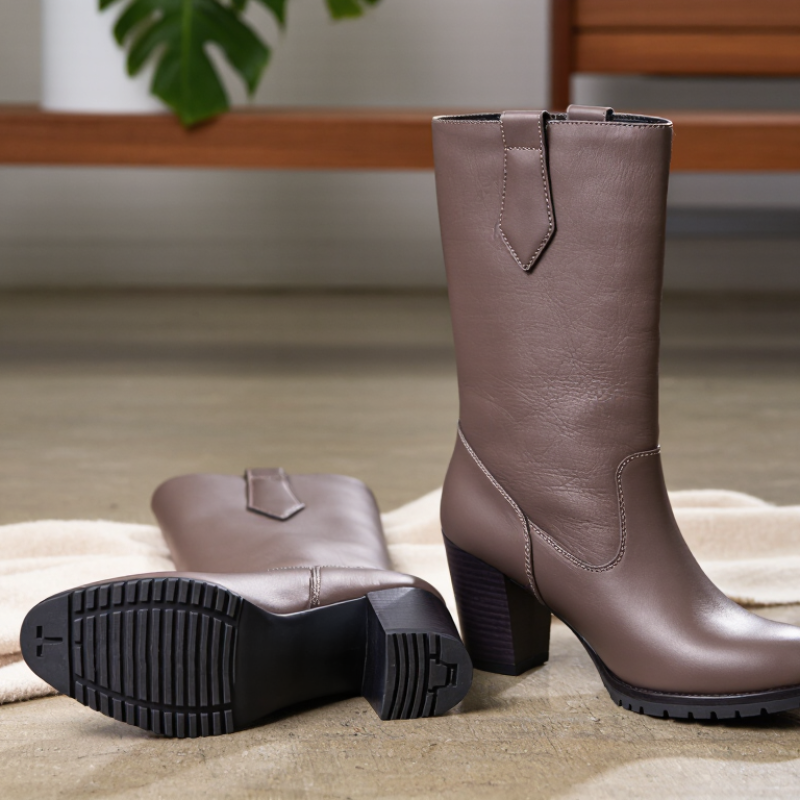
Heeled boots now come in several shapes, and each changes your posture. Block heels offer a wider base and steadier walking. They suit long commutes, uneven pavements, and first-time heel wearers. Slim heels create a sharper outline, but they demand stronger ankle control. I once chose a narrow heel for a full-day event. It looked elegant, yet my feet disagreed by lunchtime.
Kitten heels provide a small lift without dramatic pressure. They work well with tailored trousers and lighter skirts. Platform boots add height while reducing the angle between your foot and the ground. However, extra sole thickness can reduce flexibility.
Wedge heels distribute weight more evenly, although they may feel heavy on stairs. Check the heel attachment carefully. A stable heel should not wobble when you press it sideways.
Material and shaft design also affect comfort. Soft leather or flexible textile usually relaxes around the ankle with wear. Firm materials may hold shape better, but they can rub sensitive areas. Look for cushioned insoles, secure zippers, and enough room for your toes to spread. Try boots with the socks you normally wear. Walk slowly on a clean indoor floor. Notice pressure under the ball of your foot.
The perfect style is not always the tallest or most fashionable. Sometimes, a lower heel simply fits your actual day better.
Choosing heeled boots in 2026 starts with heel height, not appearance. For daily walking, a low heel between 1 and 2 inches usually offers dependable balance. A wider block heel spreads pressure across the sole. A slim heel can feel unstable on wet pavement or uneven sidewalks. I learned this after choosing a stylish pair for a long commute. My feet felt tired before lunchtime. Comfort was not a minor detail. It changed how confidently I walked.
Tips: Stand in the boots for ten minutes. Walk across tile, carpet, and a few stairs. Check whether your heel lifts inside. Your toes should not press against the front. Wear the socks you normally use. For extra stability, choose ankle support and a firm sole. If you need all-day wear, avoid a heel that forces your weight sharply forward. A small height difference can matter.
For occasional dressing, a 2.5- to 3-inch heel may work if the boot fits securely. However, height alone does not determine comfort. Cushioning, arch shape, shaft support, and sole grip matter too. I sometimes still misjudge a boot online. Photos hide stiffness and pressure points. That is why I now check return terms and test boots indoors first. A comfortable heel should let you step naturally, stop easily, and remain steady when your attention shifts.
How to Choose Heels On Boots in 2026?
Choosing heeled boots starts with matching materials to your daily environment. Smooth leather handles light rain and usually develops character with wear. Suede feels softer, but it marks easily and needs careful protection. For wet commutes, choose treated leather or a water-resistant textile. However, “water-resistant” does not mean waterproof. Check the construction details before trusting that label.
Fit matters more than a dramatic heel. Try boots with the socks you normally wear. Your toes should move freely, while your heel stays nearly still when walking. A small amount of movement is normal. Pain is not. Look for a supportive shank, a firmly attached heel, and stitching that remains even around the sole. Cemented soles can feel flexible, while welted construction often supports resoling. Neither option is perfect for every person.
Tips: Walk on a hard floor for several minutes. Test stairs and gentle turns. Check whether the ankle opening rubs your skin. If the heel feels unstable in the store, it will not improve magically outdoors. I once chose a beautiful pair with a narrow toe box, assuming the leather would stretch enough. It did not. Measure both feet, because one may be slightly larger. Consider a lower, wider heel for long standing, and inspect the outsole grip before rainy-season use.
| Need or Priority | Recommended Heel and Shaft Profile | Suitable Boot Materials | Fit and Comfort Checks | Construction Features to Look For | Best Use and Important Trade-Off |
|---|---|---|---|---|---|
| Everyday walking | Block heel, approximately 3–5 cm; ankle or mid-calf shaft. | Full-grain or corrected-grain leather for durability; quality microfiber can provide a lower-maintenance alternative. | Toes should move freely, the heel should remain secure, and the ball of the foot should sit over the widest part of the sole. | Cushioned insole, stable heel base, flexible forefoot, and a rubber outsole with visible traction. | Good balance of stability and style. A wider heel is generally more forgiving than a narrow heel on uneven pavement. |
| Office and commuting | Low stacked heel or medium block heel, approximately 2–6 cm; ankle boot profile. | Smooth leather offers a polished appearance; synthetic leather is easy to clean but may be less breathable. | Allow room for normal foot swelling during the day. The instep should not feel compressed when sitting or walking. | Lightweight sole, padded collar, secure side zip, and a lining that reduces friction around the ankle. | Choose a moderate heel for regular travel between transport, pavement, and indoor flooring. |
| Long standing | Broad block heel, approximately 3–5 cm; a centered heel position improves balance. | Soft leather, stretch textile panels, or breathable fabric-lined uppers can reduce pressure points. | Check arch support, forefoot cushioning, and whether the boot stays comfortable after several minutes of standing. | Removable or cushioned footbed, shock-absorbing midsole, and a firm heel counter that supports the rear foot. | Comfort should take priority over heel height. A very narrow heel can increase fatigue and reduce stability. |
| Rainy weather | Low or medium block heel with a broad contact area; avoid unstable narrow heels. | Water-resistant treated leather, coated leather, or waterproof synthetic materials. Suede requires additional protection and careful drying. | Ensure the opening and zip area close securely without gaps that can admit water. | Sealed or well-finished seams, gusseted tongue where applicable, rubber outsole, and a tread pattern with defined lugs. | Water resistance is not always the same as waterproofing. Follow the care instructions and dry boots away from direct heat. |
| Cold weather | Stable stacked heel, approximately 2–5 cm; mid-calf or taller shaft for additional coverage. | Water-resistant leather or synthetic upper with insulated textile lining; avoid unprotected materials in wet snow. | Leave enough room for thermal socks without restricting circulation or causing the heel to lift excessively. | Insulating lining, thick insole, durable welt or bonded sole, and a cold-flexible rubber outsole. | Warm linings can reduce interior volume, so sizing should be checked while wearing the socks intended for use. |
| Dress occasions | Stiletto or slim heel, commonly 6–10 cm; pointed or almond toe shapes are more formal. | Polished leather, satin, velvet, or smooth synthetic uppers create a dressier appearance. | Confirm that the foot does not slide forward. The heel should feel controlled without relying on excessive tightness across the toes. | Reinforced heel attachment, stable shank, smooth lining, and a lightly cushioned forefoot. | Higher and narrower heels provide a refined silhouette but generally offer less stability and walking comfort. |
| Wide feet or bunions | Low or medium block heel; round, almond, or square toe box with sufficient width. | Soft leather and stretch panels can adapt better than rigid coated materials. | Measure both feet late in the day. The widest foot should not press against the toe box or side seams. | Flexible upper, non-irritating seams, adjustable lacing or elastic panels, and a footbed that does not taper sharply. | Do not compensate for insufficient width by buying a much longer boot, as excess length can cause sliding. |
| Narrow heels | Low to medium heel with a narrower heel seat; ankle boots often provide better control than loose tall shafts. | Leather or structured textile uppers that hold their shape; stretch materials should still provide rear-foot support. | Walk on a hard surface and check for heel lift. A small amount of movement can be normal, but repeated slipping causes friction. | Padded heel collar, firm heel counter, adjustable straps or laces, and a well-shaped rear-foot cup. | A secure heel fit is more important than simply choosing a smaller size, which can create toe pressure. |
| Tall boots | Low or medium block heel; shaft height should match the leg without restricting the knee or calf. | Full-grain leather, stretch leather, or stretch textile panels for improved shaft adaptability. | Measure calf circumference over the clothing normally worn. The shaft should sit smoothly without cutting into the leg. | Full-length side zip, shaped shaft, reinforced upper edge, and a sole that remains stable across the longer boot. | Check both calf fit and foot fit. A correct foot size does not guarantee a suitable calf circumference. |
| Frequent travel | Low block heel or wedge, approximately 2–4 cm; ankle height is easier to pack and wear. | Lightweight leather, durable textile, or flexible synthetic material with a finish that resists scuffing. | Choose a style that is comfortable immediately; substantial break-in time is impractical when traveling. | Flexible sole, pull tab or easy zip, cushioned footbed, and a lightweight outsole with dependable traction. | Prioritize versatility and easy removal. Avoid heavy hardware or rigid construction if luggage weight is a concern. |
| Maximum durability | Moderate block heel with a broad base; avoid extremely thin heels if the boots will receive heavy use. | Full-grain leather generally develops a patina and can be conditioned; dense rubber or durable synthetic outsoles resist abrasion. | Look for even sizing, no pressure from internal seams, and a heel that remains centered when weight is applied. | Well-finished stitching, reinforced stress points, replaceable heel caps, solid heel attachment, and a securely bonded or welted sole. | More repairable construction can cost more initially but may extend the useful life of the boots. |
| Lower maintenance | Any stable heel height; a simpler silhouette usually has fewer delicate components to maintain. | Coated leather or synthetic materials are often easier to wipe clean. Suede and nubuck typically require specialized brushes and protectors. | Check that the lining and insole are removable or easy to air out, especially for frequent wear. | Non-marking, abrasion-resistant outsole; covered or protected heel surface; simple zip and hardware design. | Easy-care materials may offer less breathability than natural leather, so ventilation and moisture control remain important. |
Fit reminder: Try heeled boots on both feet while wearing the socks or hosiery you expect to use. Walk for several minutes, test stairs if possible, and check that your toes are not pressed forward when standing.
How to Choose Heeled Boots in 2026?
Choosing heeled boots starts with the outfit’s shape, not the trend forecast. For office trousers, select a slim ankle boot with a steady block heel. It creates a clean line beneath cropped or full-length pants. A pointed toe looks polished, but it may feel tight after several hours. For midi skirts, a close-fitting shaft usually looks more balanced. Keep a small gap between the boot and hem.
Casual outfits allow more texture and height. Pair suede-style heeled boots with straight jeans, a soft sweater, or a long coat. Chunkier heels suit denim and relaxed tailoring, while kitten heels work better with lighter dresses. I once chose a beautiful narrow heel for a long walking day. It looked excellent, but the choice was poor. Comfort must survive real movement, not just a mirror check.
Tips: Walk on a firm floor before buying. Check whether your heel slips inside the boot. Try both boots with the socks you normally wear. For wet seasons, inspect the sole grip and stitching carefully. Avoid extra height when you cannot walk naturally. A lower heel often appears more refined with structured clothing. If the boot feels uncomfortable immediately, do not expect a dramatic improvement later.
Recommended heel heights vary by occasion, walking time, and dress code. Lower block heels are practical for commuting and outdoor wear, while medium and higher heels create a more formal silhouette for dinners and events. Use these ranges as a styling guide and prioritize secure fit, stable construction, and comfort.
How to Choose Heels On Boots in 2026?
When choosing heeled boots in 2026, inspect construction before admiring the silhouette. Examine the stitching around the upper, sole, and heel attachment. Even stitches usually suggest better control during production. Press the heel gently from different angles. It should feel firm, not springy or loose. Check the sole edge for clean bonding and even finishing. A small flaw may not ruin comfort, but repeated flaws often predict early repairs. I once ignored a slightly uneven heel because the boots looked elegant. My feet noticed it after two hours.
Material affects both care and long-term value. Smooth leather may need conditioning, while suede requires a protective brush and careful stain treatment. Always ask whether the material can tolerate rain, salt, or frequent wear. Let damp boots dry naturally, away from heaters. Use shoe trees to reduce creasing, and replace worn heel tips before the heel structure suffers. Rotating pairs also helps each boot recover between uses. Still, care routines take time. A beautiful pair becomes poor value if maintenance feels unrealistic.
Tips: Walk on a hard floor before buying. Check for heel wobble. Measure both feet late in the day. Choose stable heels over dramatic height when daily comfort matters. Keep receipts and repair information. A slightly higher price can be reasonable when the boots offer replaceable soles, strong stitching, and materials suited to your climate.
Block heels offer a wider base and steadier steps. They suit commutes, uneven pavements, and long standing. Lower is often better.
Slim heels create an elegant outline but require strong ankle control. They can increase pressure under the forefoot. I once chose them for a full-day event and regretted it by lunchtime.
Kitten heels provide a small lift with less dramatic pressure. Platform boots add height while reducing the foot angle. Their thick soles may limit flexibility.
Wear your usual socks and walk slowly on a hard indoor floor. Your toes should spread freely, while your heel stays nearly still. Test stairs and gentle turns.
Treated leather or water-resistant textile can suit wet commutes. Water-resistant does not mean waterproof. Suede feels soft but marks easily and needs careful protection.
Look for even stitching around the upper, sole, and heel attachment. Press the heel sideways. It should feel firm, not loose or springy.
Let damp boots dry naturally, away from heaters. Use shoe trees to reduce creasing. Condition smooth leather and brush suede carefully. Small routines matter.
Consider replaceable soles, strong stitching, suitable materials, and repair options. Rotate pairs between uses. A beautiful boot becomes poor value if care feels unrealistic.
Choosing Heels On Boots begins with understanding the main styles and how their heel shapes affect appearance, comfort, and stability. Consider whether you prefer a slim heel for a refined look, a block heel for everyday support, or a lower stacked heel for easier walking. Heel height should match your experience, balance, and intended use, while the boot’s fit should allow enough room for your toes without slipping at the heel. Materials, lining, sole flexibility, and construction also play important roles in warmth, durability, and long-term comfort.
Think about how the boots will complement your wardrobe and occasions. Sleek heeled boots can enhance formal outfits, while sturdy designs may suit casual clothing, workwear, or outdoor activities. Before buying, inspect stitching, fastenings, sole quality, and care requirements. A well-made pair that suits your lifestyle and can be maintained easily will provide better value than a fashionable option that quickly becomes uncomfortable or difficult to care for.

Q.L. CODEX