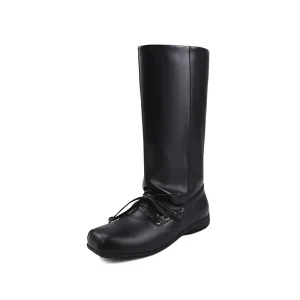
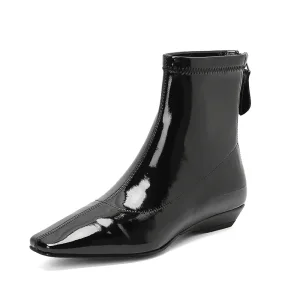
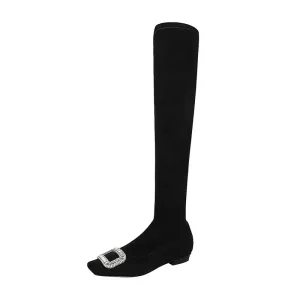
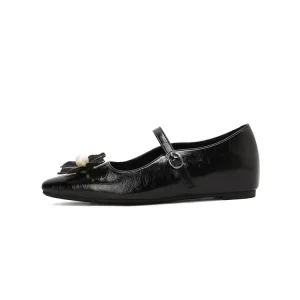
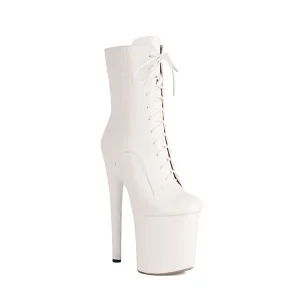
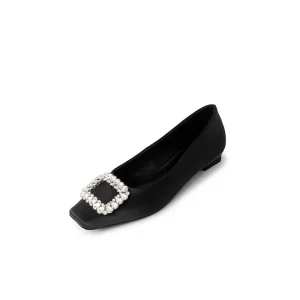
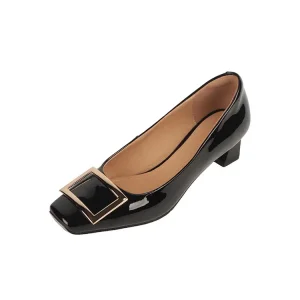
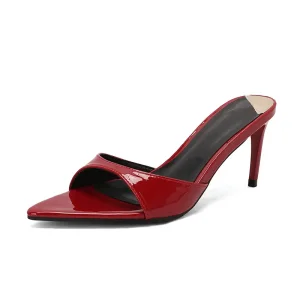
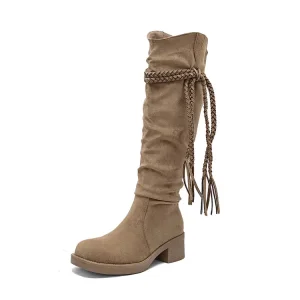
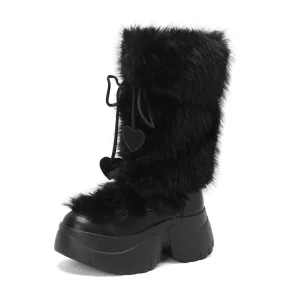
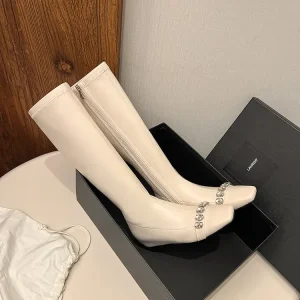
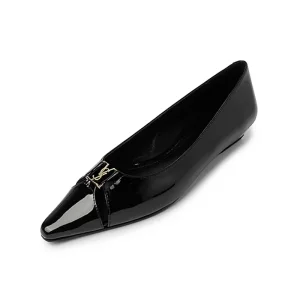
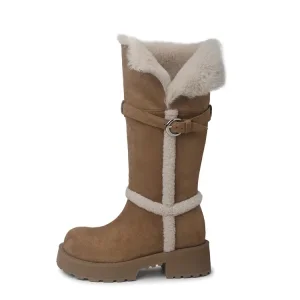
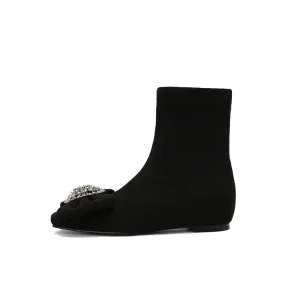
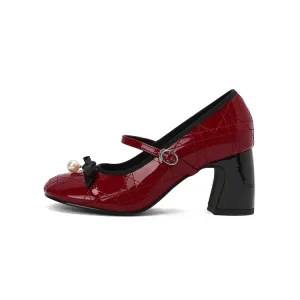
In the contemporary footwear landscape, the "Black Heel" represents more than a fashion staple; it serves as a litmus test for manufacturing excellence. As we analyze the market from 2024 to 2025, the shift towards "Affordable Luxury"—high-quality, durable, yet accessible—is paramount. Information gain in this sector is driven by the integration of ergonomic design with classic aesthetic.
Global buyers are moving away from hyper-fast fashion towards "Resilient Procurement." Key requirements now include detailed material tracing, transparent carbon footprints, and factory-direct flexibility. Our data indicates a 40% surge in demand for small-batch OEM (Original Equipment Manufacturer) services, allowing boutiques and startups to compete with major retailers without massive overheads.
The intersection of technology and craftsmanship is the next frontier. Our factory is implementing "Digital Twin" prototyping—where a digital render undergoes structural stress analysis before the first leather cut. This reduces material waste by 15% and accelerates the sampling phase by weeks. Future trends point towards adaptive footwear: heels that offer the support of a flat shoe through smart weight-distribution technology.
Years Experience
Styles Developed
Pairs Monthly Capacity
Established in 1995, our factory integrates advanced manufacturing technology with 30 years of expertise. We bridge the gap between Eastern manufacturing precision and global market compliance.
A: Quality is defined by material durability (genuine leather vs. synthetic), structural integrity (heel stability), and comfort-tech integration. Our production adheres to stringent ISO standards.
A: We offer a flexible 30-pair MOQ, specifically designed to lower the barrier to entry for emerging fashion brands and independent retailers.
A: Yes, we provide full regulatory compliance consulting, including REACH and Prop 65 material testing, ensuring your products are ready for import without legal hurdles.
 Q.L. CODEX