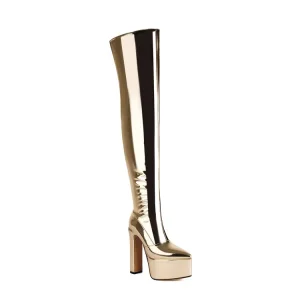
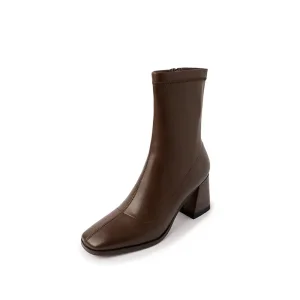
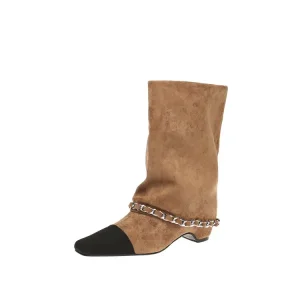
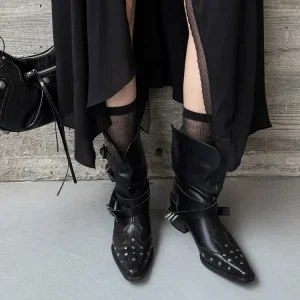
 Q.L. CODEX
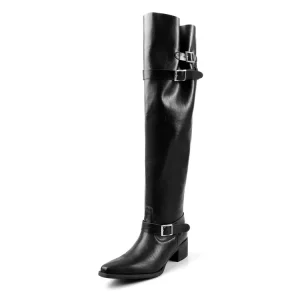
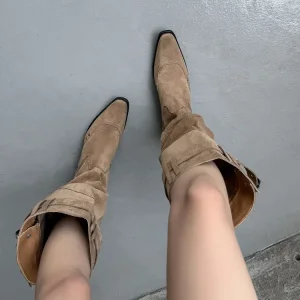
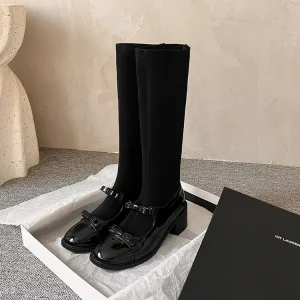
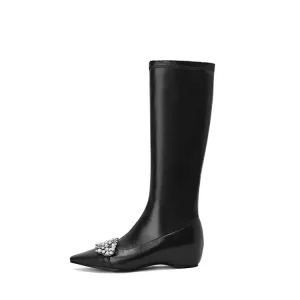


C3-Knee High Boots Export & Sourcing Guide for the Algerian Market
A deep technical and economic analysis of importing women's high-shaft footwear into Algiers, Oran, and regional commercial hubs.
1. The Algerian Footwear Market Landscape: Demand and Micro-Economics
Algeria represents one of the largest consumer markets in North Africa, driven by a young, increasingly urbanized demographic centered in Algiers, Oran, Constantine, and Sétif. In recent years, domestic policy changes have shifted the landscape of imported finished goods. While the Algerian government encourages local industrial output, the complex manufacturing processes required for structured fashion footwear—specifically knee-high and mid-calf boots—rely heavily on experienced international exporters.
B2B importers in Algeria face unique market dynamics. Consumers demand footwear that balances European aesthetic sensibilities with practical durability. The climate along the coastal regions is Mediterranean, featuring mild, wet winters and warm, dry summers. During the autumn and winter periods, knee-high boots (specifically our C3 series) experience peak demand. These products must offer thermal insulation and moisture protection while remaining breathable in fluctuating daily temperatures.
Furthermore, sourcing high-shaft boots requires navigating Algeria's strict import guidelines. To successfully clear customs and avoid port delays, wholesale buyers require partners who provide clear trade documentation. This includes conformity certifications, precise bills of lading, and compliant product labeling that meets the specifications of the Algerian Ministry of Commerce.
2. Design Adaptation: Engineering C3-Knee High Boots for Algerian Consumers
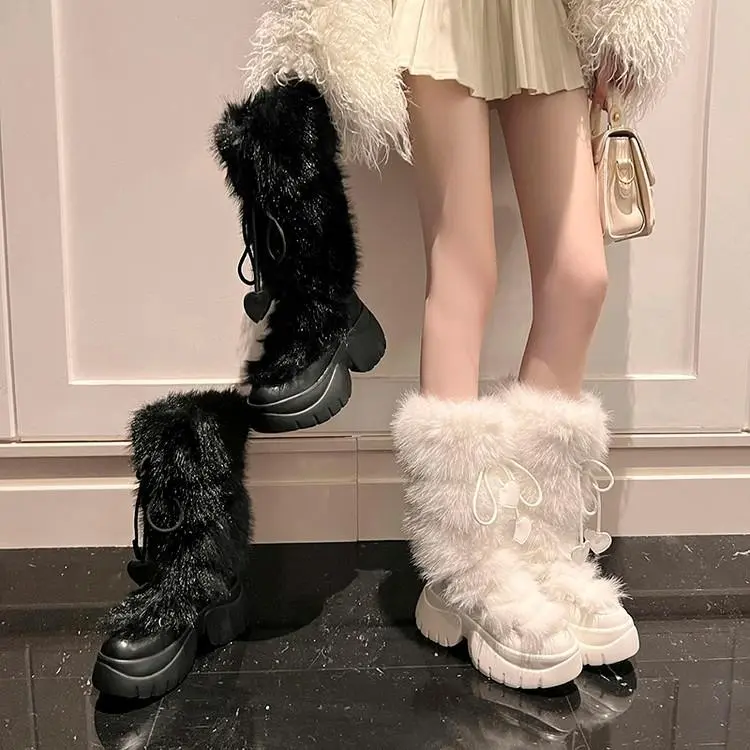
Designing boots for the Algerian market requires careful consideration of both functional engineering and regional stylistic trends. The C3-Knee High Boot lineup is developed to accommodate distinct physical and aesthetic preferences:
- Calf Fitting & Shaft Adjustability: Consumer anatomy and layering preferences vary. Our designs utilize stretch velvet, elastane inserts, and wide-calf slouchy patterns to fit comfortably over standard denim or leggings without restricting movement.
- Outsole Engineering for Urban Terrains: Cities like Constantine and Algiers feature hilly topography and cobblestone or tiled walkways. We employ slip-resistant thermo-plastic rubber (TPR) and polyurethane (PU) outsoles to provide grip on wet and uneven surfaces.
- Climate-Adaptive Linings: Heavy insulation can lead to discomfort in the mild Algerian winter. We implement pigskin linings and microfiber materials that absorb moisture while maintaining a comfortable internal temperature.
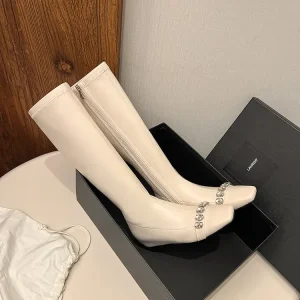
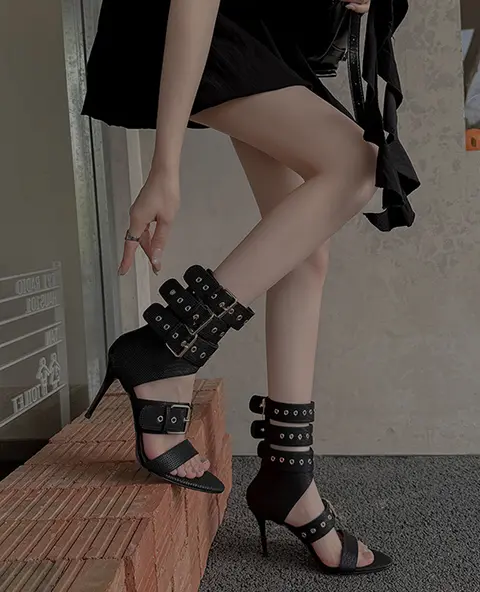
- Aesthetic Preferences: Modern Algerian consumers look for sophisticated detailing. Gothic-inspired hardware, subtle metal buckles, and refined square-toe shapes have shown strong adoption rates across mid-to-high-tier boutiques.
3. Logistics and Customs Compliance: Sourcing From China to Algeria
Navigating shipping and customs clearances is critical for B2B profitability. In Algeria, strict banking and financial policies require structured transactions. Key compliance areas include:
- Certificat de Conformité (CoC): A mandatory document confirming that imports meet Algerian safety and quality standards. Our manufacturing lines undergo regular auditing by SGS and Intertek to streamline this process.
- Domiciliation Bancaire: Algerian buyers must register their import files with local banks before shipping. We provide pro-forma invoices with exact HS codes (Harmonized System) to expedite bank approval.
- Port of Entry Handling: The majority of shipments arrive via the Port of Algiers or Port of Oran. We arrange secure LCL/FCL container stuffing to minimize risk during long maritime journeys.
Our logistics team provides comprehensive support throughout this process. We coordinate with shipping lines to ensure predictable transit times, helping Algerian distributors maintain consistent stock levels ahead of peak sales seasons.
4. Sustainable Footwear Production and Technical Innovations
Modern shoe manufacturing requires balancing efficiency with ecological responsibility. As global regulations tighten, our R&D departments focus on sustainable practices that align with EU standards, which are increasingly referenced by North African trading houses.
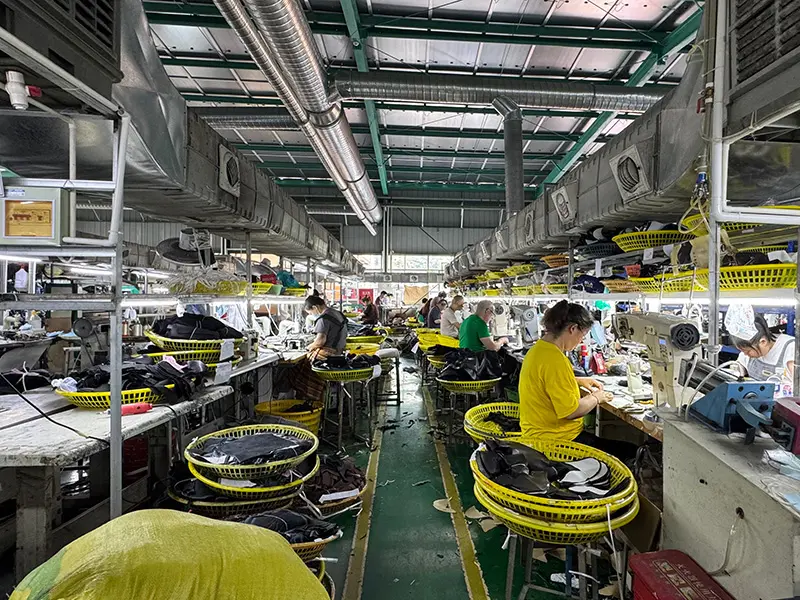
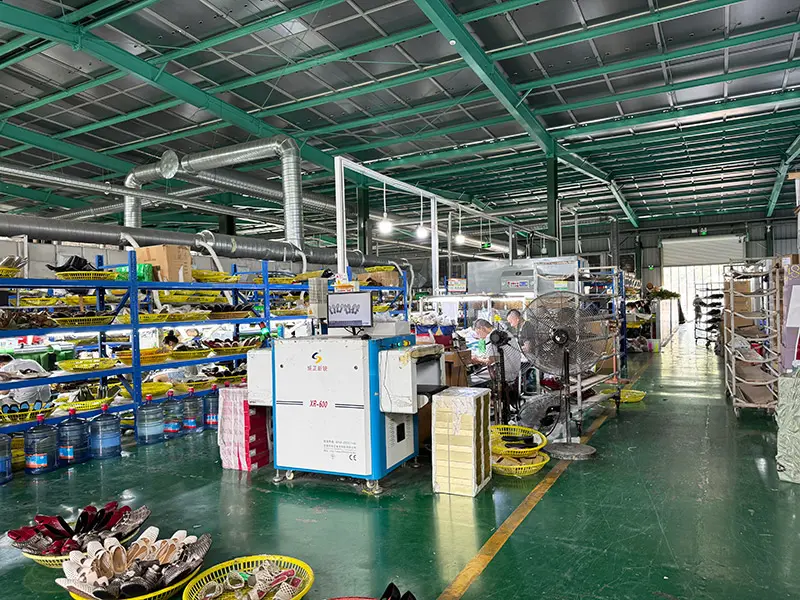
We use eco-conscious tanned leathers and water-based adhesives to reduce volatile organic compounds (VOCs) during assembly. Additionally, we integrate computerized cutting systems that minimize leather scrap waste by up to 15% compared to traditional manual clicker pressing. These technical optimizations allow us to manage material costs effectively while delivering high-quality products to our partners.
5. Strategic Supply Chain Solutions for B2B Buyers
Wholesale distribution is a capital-intensive business. We offer tailored terms to support the growth of our commercial clients in Algeria:
- Flexible MOQ (Minimum Order Quantity): With a minimum of 30 pairs per style, boutique owners can test new designs without overcommitting capital.
- OEM/ODM Customization: Buyers can customize branding, heel heights, and colorways to suit their local clientele.
- Continuous Design Updates: Access to our catalog of over 500 seasonal designs keeps your inventory fresh and competitive.