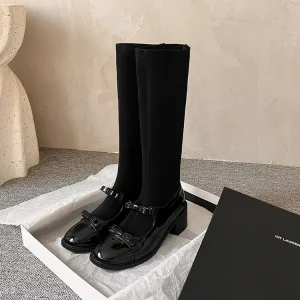
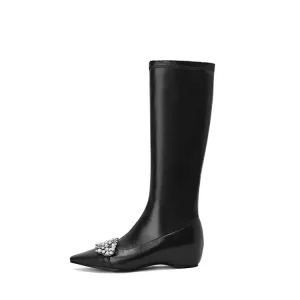
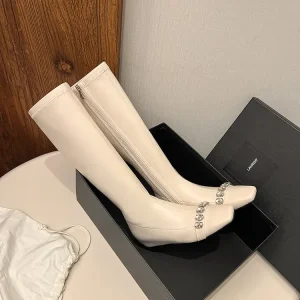
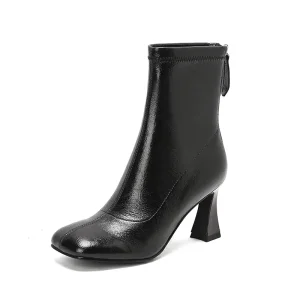
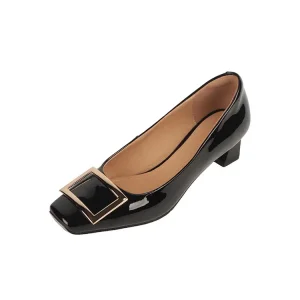
Optimized high-traction and comfort molds customized to fit the physiological calf contours and seasonal expectations of Brazil’s high-growth fashion corridors.
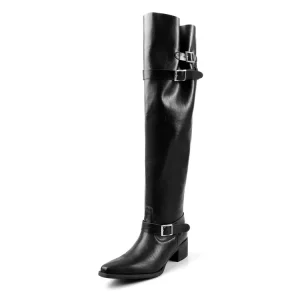
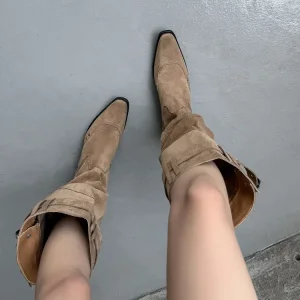
The retail footwear landscape in Brazil exhibits distinct seasonal patterns and consumer demographics. In metropolitan hubs like São Paulo, Rio de Janeiro, and Porto Alegre, the demand for cold-weather styles, specifically C3-Knee High Boots, surges from May through August. Footwear brands must reconcile local sizing adjustments (EU to BR offsets) with performance criteria suitable for erratic tropical rainy periods.
Our genuine leather and custom eco-conscious synthetic boots target this seasonal window by integrating high-traction thermoplastic rubber (TPR) outsoles and moisture-permeable liners. As a factory with 30 years of manufacturing experience, we specialize in helping Brazilian importers and regional wholesalers navigate import hurdles, offering high-margin design options that set them apart from domestic competitors.
Our engineering team develops C3-Knee High Boots using a balance of natural full-grain calf leathers, water-resistant suedes, and reinforced technical elastomeric fabrics for optimal fit and durability.
| Functional Architecture | Technical Specifications | Brazilian Market Compliance & Benefits |
|---|---|---|
| Outer Materials | LWG-Certified Calfskin, Water-Resistant Cow Suede, Premium Stretch Velvet | High-durability barriers against humidity, compliant with international environmental standards. |
| Sole Construction | Injection-molded TPR & Dual-Density Polyurethane (PU) outsoles | Slip resistance on wet cobble/pavement, mitigating municipal slip liabilities. |
| Lining Materials | Antibacterial Microfiber & Breathable Fleece options | Optimal temperature regulation for Southern Brazil's micro-climates. |
| Lasting & Sizing Molds | Wide-Calf anatomical structures, sizes EU 35-43 (Brazil 33-41 conversions) | Optimized fit reducing return rates at point-of-sale for local e-commerce retailers. |
| Eco-Conscious Synthetics | Recyclable Bio-PU & Solvent-Free Microfibers | Avoidance of heavy chemical taxes and alignment with global ESG initiatives. |
Integrating automated cutting machinery and cloud-based quality control interfaces ensures precision consistency across all custom orders.
Utilizing Italian 3D CAD modeling software and automated CNC nesting cutters, we reduce raw material scrap by 18% while guaranteeing millimeter-accurate panelling for stretch-fit tall boots.
Every batch undergoes flexing tests (100,000 cycles minimum), heel attachment pull tests (up to 1,200N), and color-fastness analysis to survive demanding shipping durations across equatorial trade lanes.
Designed for market validation, our flexible MOQ structure allows Brazilian startups and niche designers to introduce limited capsule collections without excessive capital investment.
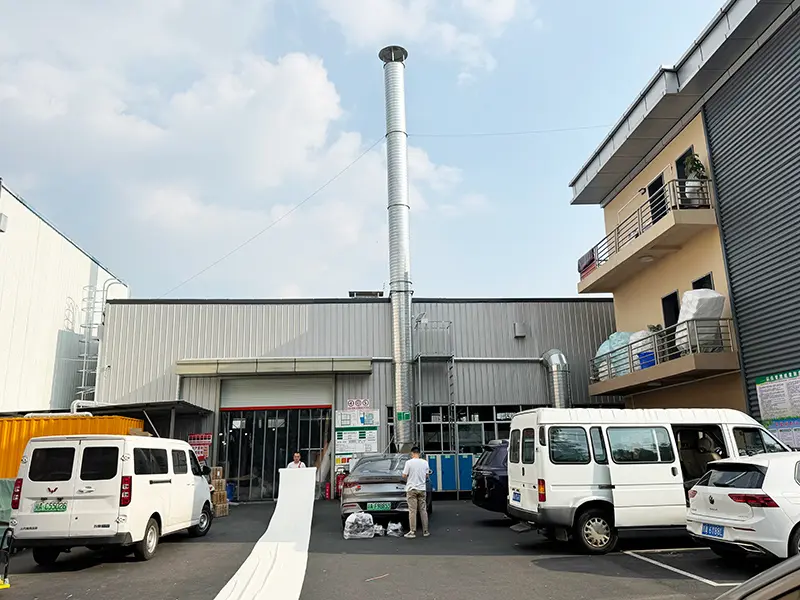
Our manufacturing facility spans over 15,000 square meters, operating multiple production lines specialized in vulcanized structures, lasting methods, and fine hand-stitched details. This structural foundation enables us to seamlessly process container-load procurement agreements as well as high-variety private label runs.
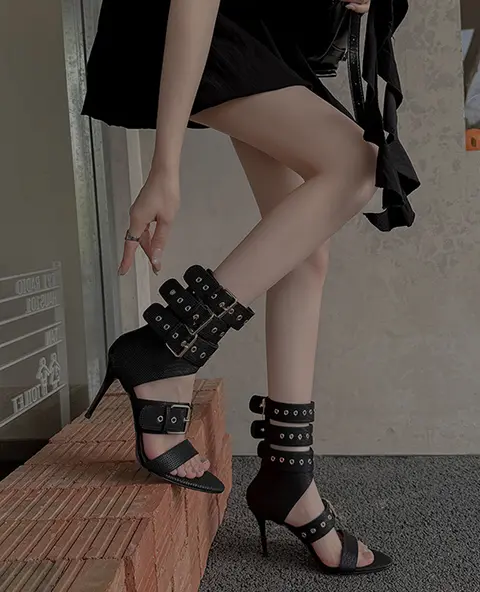
Our customer onboarding and engineering processes minimize miscommunications from concept ideation to delivery.
Physical sample replication, CAD designs, or tech pack alignment.
Developing fast mockups (3-7 days) using our in-stock materials.
Client evaluation of fit, aesthetics, comfort, and load parameters.
Scalable fabrication using automated cutting & precise lasting.
Testing bonding strength, box packing, and humidity controls.
Customs document clearance for Brazil and container booking.

Importers shipping to Brazil must navigate complex tax structures and regulatory frameworks, including Mercosur common external tariffs (TEC) and the SISCOMEX registration system. Underestimating import duties (II, IPI, PIS, COFINS, ICMS) or using incorrect HS codes can lead to costly delays at customs points like Santos or Paranaguá.
Our dedicated logistics team provides complete documentation support, including compliant packing lists, precise HS classification (e.g., Chapter 64 for footwear), and certified Certificates of Origin. We also use moisture-absorbing silica gel inserts and durable double-wall corrugated shipping boxes to protect against humidity changes during maritime transit across the equator.
Explore our full selection of footwear designed for diverse market demographics, including performance platform boots and elegant evening silhouettes.
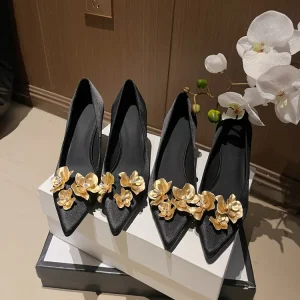
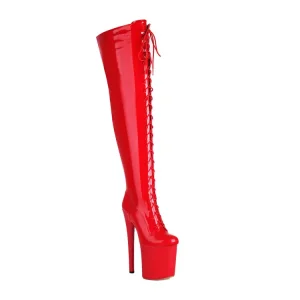
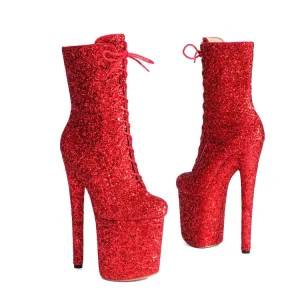
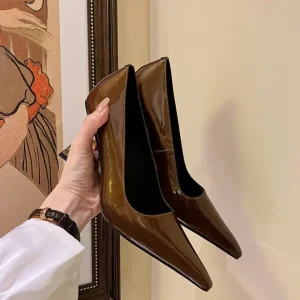
See how our manufacturing precision, design agility, and logistics support help global brands grow their businesses.

"With over 30 years in retail, I am thoroughly impressed by the durability and structural integrity of the shoes. Our custom collection easily met strict EU eco-standards, and the team's proactive updates made the manufacturing process smooth and transparent."
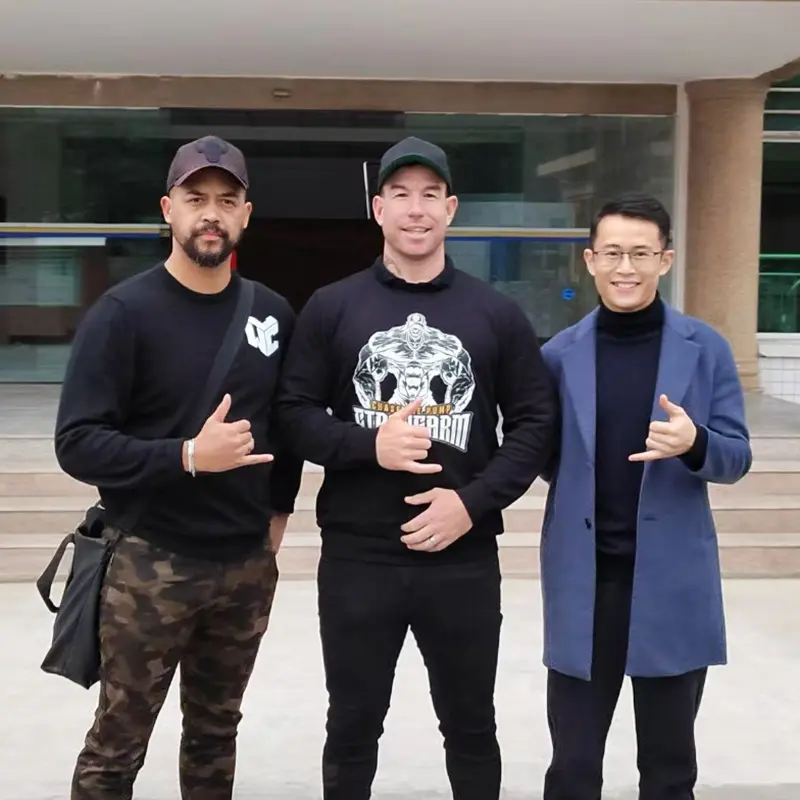
"We were guided through the entire process, from early concepts to final delivery. Importing from China for the first time felt seamless due to their clear communication. We are highly pleased with the final boots and plan to expand our next orders."

"Working with the development team has been a highly collaborative experience. They kept us updated at every stage of production. The structural fit and material quality of the boots exceeded our expectations."
Key commercial and technical insights for importers, purchasing agents, and retailers sourcing for the Brazilian market.
Brazilian shoe sizing is typically two sizes smaller than European sizing (e.g., EU 38 is equivalent to BR 36). During the technical blueprint phase, we calibrate our lasting molds to account for these differences. We also offer wide-calf configurations to ensure a comfortable fit for the local target audience.
We supply a complete B2B documentation package, including the Commercial Invoice, detailed Packing Lists, Bills of Lading, and accurate HS codes (usually 6403.91 for leather boots). We also match documentation with your RADAR authorization profiles to facilitate smooth customs clearance.
Technical CAD adjustments and proto-sampling are typically completed within 7 to 10 days. Mass production averages 30 to 45 days, depending on materials and order volume. We recommend planning orders by January to align with the Southern Hemisphere's peak autumn/winter season.
Yes, we supply a range of LWG-certified natural leathers alongside sustainable alternatives like water-based Bio-PU, recycled microfibers, and solvent-free vegan materials. These options help brands align with regional sustainability regulations and consumer expectations.
Connect with our technical design team to refine your product specifications, request custom samples, and optimize your delivery schedule.
 Q.L. CODEX